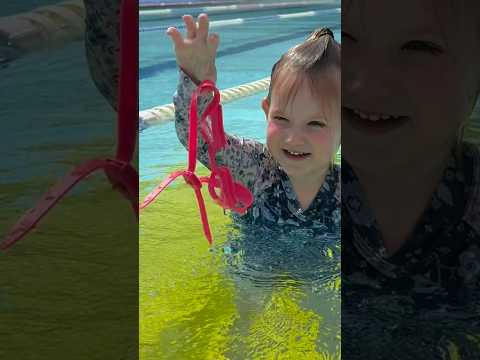
Baby Swim | Harper 8 Months Floating Skills
Baby SwimJan 7, 2026 • 4:02 • 4.3K views
Description
Floating Is The Base Of Learn To Swim
During the swimming lesson we want to foster your baby’s independence so they can learn their own capabilities and limitations. Developing independence will help to teach your baby a respect for the water. Parents should remember that floating is the basis of all learn to swim. It’s important to interact with your child using soft hands and allow children to feel their own buoyancy. During the swimming lessons parents will be encourages to let their baby grip and hold on to T-Shirts, fingers or the side of the pull. Performing independent recoveries where they pull up, rather than be picked up by an adult, is vital to teach a respect for the water. The parent is always within arms reach and ready to respond if necessary.
Back Floating
Back floating is an important water safety skill. But developmentally, we must acknowledge that once a baby learns to sit up and becomes mobile, usually between 4 to 7 months of age, they may no longer enjoy floating on their back. This will continue until the child’s understanding and comprehension starts to improve.
You should encourage all back floating attempts but never force them. We must use fun games and activities which encourage babies and young children to participate voluntarily
All baby swimming classes must be conducted in a safe and positive learn to swim environment. Each Baby and Toddler should be encouraged to learn to swim according to their individual readiness. The learn to swim process should follow a step by step process including water familiarisation, breath control, submersion, floating and propulsion. Adult supervision is always required when in and around the water. To learn all about how to teach swimming to babies visit my website and get my online program at https://babyswim.info
•
•
•
•
•
•
•
•